How to Use a Smart Generator for Efficient Power Solutions?
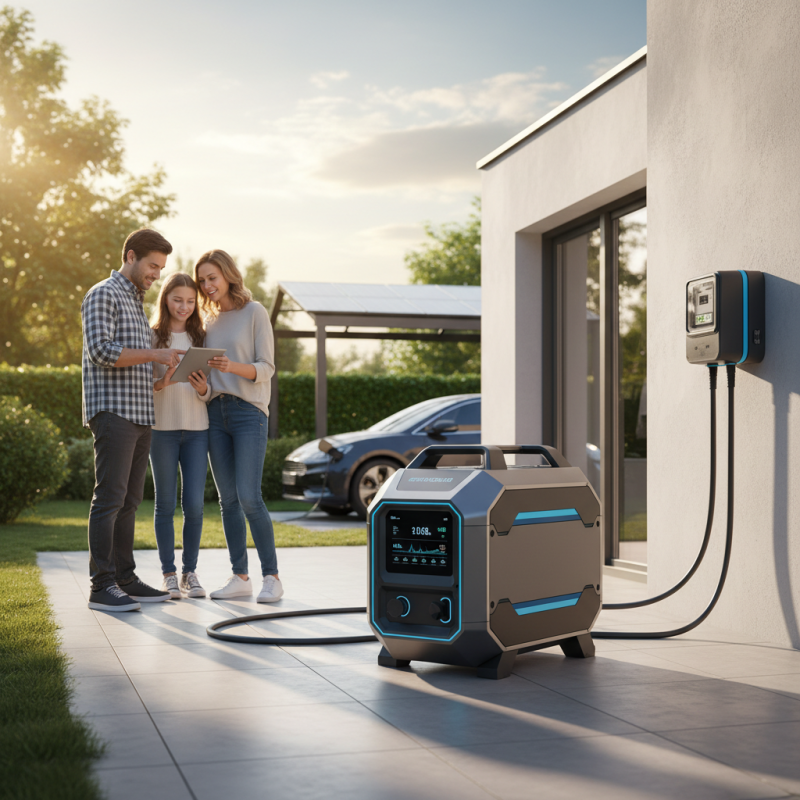
In today’s world, energy independence and reliability are paramount. A Smart Generator can provide effective power solutions for various needs. Whether for home use or outdoor activities, understanding how to harness its potential is crucial. These generators are designed for efficiency and convenience.
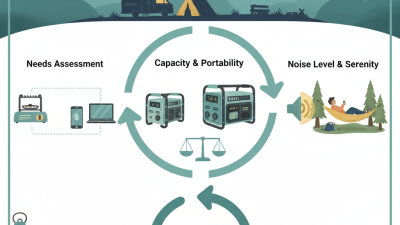
Implementing a Smart Generator requires careful planning. Users should assess their power requirements and the generator's capacity. This ensures you select the right model for your situation. Many users find this step challenging yet important.
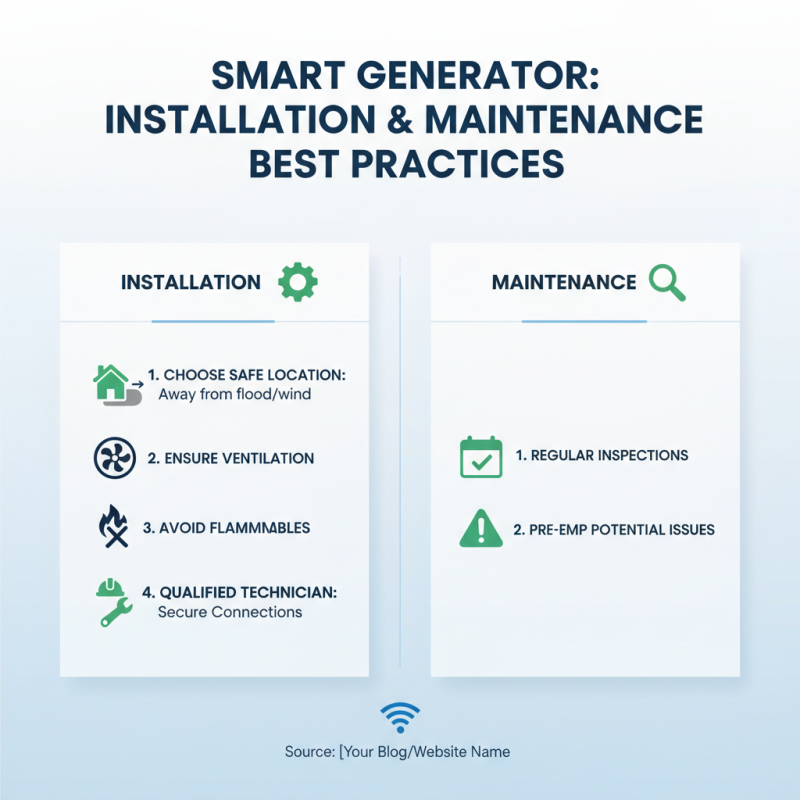
Moreover, learning how to operate the Smart Generator efficiently can maximize its benefits. Users often overlook maintenance, which is vital for optimal performance. Regular checks and updates can prevent unforeseen issues. By understanding these details, users can enjoy a reliable power source when needed. Embracing a Smart Generator can transform your energy consumption habits.
Understanding Smart Generators: Types and Features
Smart generators come in various types, each with unique features that enhance their efficiency. One popular type is the inverter generator, known for its quiet operation and fuel efficiency. These generators adjust their power output based on the load, ensuring optimal fuel consumption. Another common variety is the portable generator, ideal for temporary power needs, such as camping or outdoor events. They are compact and easy to transport, making them versatile in various situations.
Understanding the features of smart generators helps users make informed decisions. Many modern models include digital displays, showing real-time fuel levels and power usage. Some generators also offer remote monitoring via apps, allowing users to track performance from their smartphones. This connectivity serves as a valuable tool for diagnosing issues promptly. However, reliance on technology means users must be attentive to software updates and connectivity issues, which may not always be seamless.
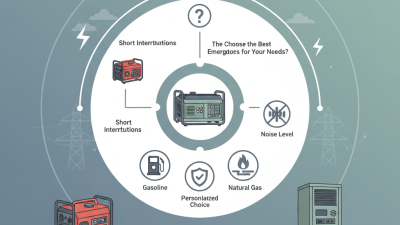
Choosing the right smart generator involves balancing power needs with budget constraints. While some advanced features sound appealing, the practical benefits may vary. A generator with many options may not suit every user. Reflecting on personal electricity requirements can often lead to better choices. Users should remain critical and evaluate what is truly necessary for their specific circumstances.
How to Use a Smart Generator for Efficient Power Solutions? - Understanding Smart Generators: Types and Features
| Type |
Power Output (kW) |
Fuel Type |
Runtime (hours) |
Features |
| Portable |
2.5 |
Gasoline |
8 |
Compact, Lightweight |
| Inverter |
3.0 |
Gasoline |
10 |
Noise Reduction, Clean Power |
| Standby |
8.0 |
Natural Gas |
Unlimited (with fuel supply) |
Automatic Startup, Transfer Switch |
| Commercial |
20.0 |
Diesel |
12 |
High Output, Enhanced Durability |
| Hybrid |
5.0 |
Gasoline/Electric |
15 |
Eco-Friendly, Fuel Efficient |
Key Benefits of Smart Generators for Modern Power Solutions
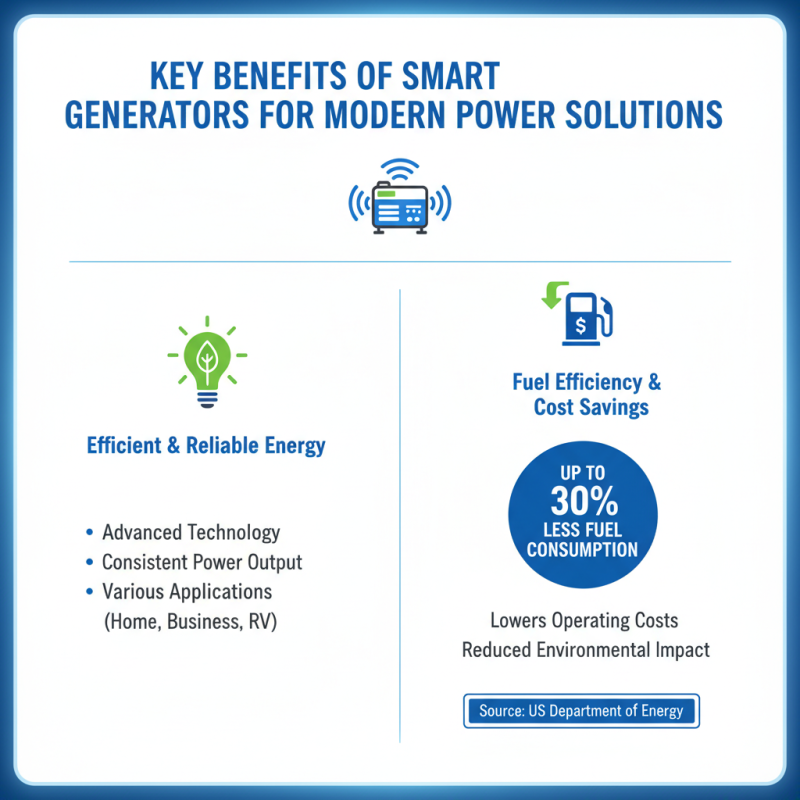
Smart generators are transforming the way we approach power solutions. With their advanced technology, these generators deliver efficient and reliable energy to various applications. One main benefit is fuel efficiency. According to the U.S. Department of Energy, modern smart generators can reduce fuel consumption by up to 30%. This not only lowers operating costs but also lessens environmental impact.
Another advantage is real-time monitoring. Many smart generators come equipped with remote access features that allow users to track performance and maintenance needs. This proactive approach can decrease downtime. A study by the International Energy Agency highlights that predictive maintenance can extend a generator's life by over 25%. With such capabilities, users can make informed decisions about usage patterns and optimize energy consumption.
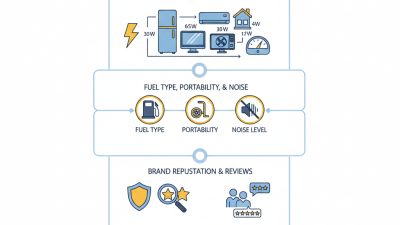
Tips for selecting a smart generator include assessing your power needs and understanding local regulations. Ensure the generator has features aligned with your specific requirements. Moreover, consider investing in models with robust support systems. While the technology is promising, it requires a thoughtful strategy for implementation. Not every generator will suit every application, and sometimes adaptability is key.
Efficiency Metrics: Comparing Smart Generators to Traditional Generators
Smart generators are rapidly gaining popularity as efficient power solutions. An industry report by the International Energy Agency (IEA) shows that smart generators can improve fuel efficiency by up to 30% compared to traditional models. This efficiency is largely due to advanced technologies such as load management and real-time monitoring. Traditional generators often operate at fixed rates, which can lead to energy waste during low demand periods.
Many users overlook the importance of assessing efficiency metrics. Smart generators not only reduce fuel consumption but also offer better emissions control. According to a recent study, emissions from smart generators can be up to 50% lower than those from traditional counterparts. This significant improvement can contribute to meeting environmental regulations more effectively.
**Tips:** Regular maintenance enhances the performance of any generator. Schedule check-ups to keep your smart generator at peak efficiency.
Investing in a smart generator can yield long-term savings. However, upfront costs may deter some customers. Considering the rising fuel prices and environmental concerns, the initial investment could be justified. Weighing fuel savings against the purchase cost is essential for a wise decision.
**Tips:** Consider monitoring your generator's performance metrics. This insight helps in making informed adjustments to maximize efficiency.
Innovative Technologies in Smart Generators: Data and Trends
Innovative technologies in smart generators are transforming how we generate and manage power. These devices integrate advanced software, IoT capabilities, and renewable sources, promoting efficiency and reducing carbon footprints. By analyzing data trends, we can see a significant rise in the adoption of smart generators across various sectors.
One essential tip is to monitor real-time data. Many smart generators provide insights into energy usage. This information helps users make informed decisions. Reactive adjustments can lead to energy savings and better performance. Tracking energy consumption often reveals surprising patterns.
Investing in the right technology improves reliability. Smart generators can automatically switch between power sources. This ensures continuous operation during outages. Sometimes, the initial investment feels overwhelming. However, the long-term savings in energy efficiency balance those costs. Reflecting on your actual energy needs can help guide these decisions, avoiding unnecessary expenses.
Smart Generator Efficiency Trends