How to Choose the Right Emergency Power Solution for Your Needs?
Choosing the right emergency power solution is crucial for anyone. Power outages can strike unexpectedly, leaving you without lights and essential appliances. Understanding your specific needs is vital when selecting an emergency power source.
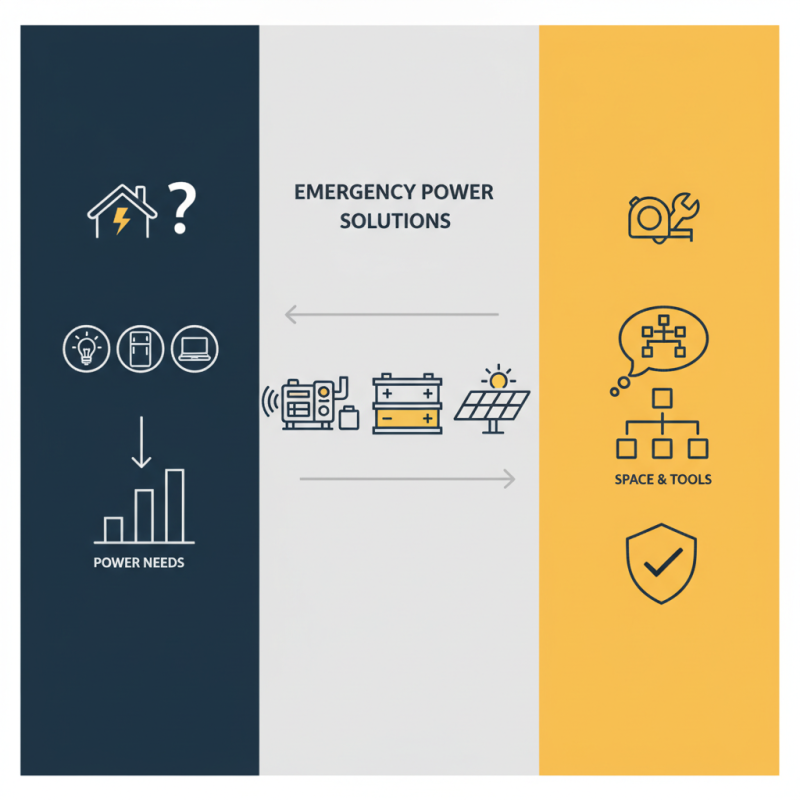
Emergency power can come from various options like generators, batteries, or solar systems. Each has its benefits and limitations. For instance, generators provide powerful energy but can be noisy and require fuel. Batteries might offer quieter operation but may not last long during extensive outages.
Evaluating your typical power needs helps make the decision easier. Assess which appliances are essential during an emergency. It’s also important to consider the available space for your power solution. Sometimes, the most obvious choice isn’t the best one. Reflection on your unique circumstances can enhance your emergency preparedness.
Understanding Your Power Needs and Usage Scenarios
When choosing an emergency power solution, understanding your power needs is crucial. Start by assessing the devices you rely on. List items like lights, refrigerators, or medical equipment. Consider their wattage requirements. A small light bulb may only need 10 watts, while a refrigerator can require up to 800 watts. Add these numbers to see your total power needs.
Usage scenarios also impact your decision. Are you preparing for short outages or a longer crisis? For brief power cuts, a compact generator may suffice. But for extended situations, look into larger systems. Estimate how long you may need power. This helps determine fuel needs and runtime. Reflect on your lifestyle too. Would you be comfortable with limited power? Or is it vital to have full functionality? Balancing these factors sets the foundation for a suitable power plan.
How to Choose the Right Emergency Power Solution for Your Needs?
| Power Solution Type |
Power Output (kW) |
Fuel Type |
Run Time (hours) |
Best Use Case |
| Portable Generator |
2-10 |
Gasoline |
8-12 |
Camping, Small Power Outages |
| Standby Generator |
5-20 |
Natural Gas, Propane |
24+ |
Home Backup, Large Appliances |
| Solar Generator |
1-5 |
Solar |
Varies |
Eco-Friendly, Off-Grid Use |
| Inverter Generator |
1-4 |
Gasoline |
8-10 |
Quiet Power, Electronics |
Types of Emergency Power Solutions Available in the Market
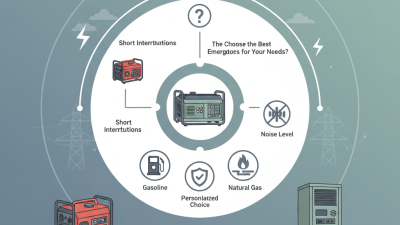
When selecting an emergency power solution, understanding the types available is crucial. The market offers several options, including portable generators, standby generators, and uninterruptible power supplies (UPS). Portable generators are versatile and can power essential appliances during outages. However, they require manual setup and fuel management. Standby generators are more permanent solutions, automatically activating during a power failure but involve higher initial costs.
Uninterruptible power supplies (UPS) provide instant back-up power for critical devices. They are especially valuable for sensitive electronics. According to a recent industry report, the global UPS market is expected to reach $10 billion by 2025, driven by the increasing need for power reliability.
Tip: Assess your power needs and runtime expectations before choosing. This will help in identifying the right size and type of generator.
It's important to reflect on the actual environment where the generator will be used. For instance, in urban areas with strict noise regulations, a quieter model may be essential. Also, some generators are not designed for continuous usage, so consider how often you might need to rely on them.
Tip: Always review warranty options and maintenance plans. This ensures you get support when needed and can prolong the lifespan of your equipment.
Evaluating the Key Features and Specifications of Power Options
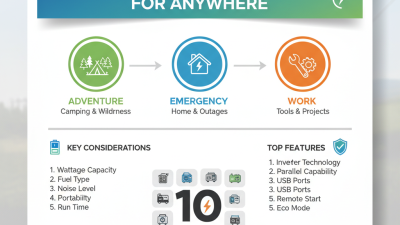
Choosing the right emergency power solution requires careful evaluation of key features and specifications. One must consider the power output. How many watts do you need? A device requiring 1000 watts won't work with a generator providing only 500 watts. Think about your essential appliances. Would you be okay without a refrigerator?
Portability is another aspect. A lightweight, compact generator is easier to move. But if it's too small, it may not meet your needs. Fuel type is significant as well. Gasoline is common, but it can be volatile. Propane is safer but may require different equipment. Take time to reflect on your specific situation.
Run time matters too. Some generators only last a few hours. If your power outage is extended, you'll need a solution that can run longer. Emphasize ease of use. Complicated setups can cause more stress during an emergency. Also, examine noise levels. A quiet unit might be more pleasant but can indicate lower power output. Each feature carries importance, so weigh them against your personal requirements.
Power Options: Evaluating Key Features and Specifications
Considering Budget and Cost-Effectiveness for Your Emergency Solution
Choosing the right emergency power solution can be challenging. Budget plays a critical role in this decision. Typically, you have two main options: portable generators and permanent systems. Each has different costs and benefits.
Consider your specific needs. A portable generator is often cheaper upfront. However, it may not provide enough power for larger appliances. Alternatively, a permanent solution usually involves higher initial costs but can be more reliable in the long term.
Tips: Assess how much power you truly need. This may prevent overbuying or underserving your needs. Investigate maintenance costs as well. Sometimes, a low-priced unit might have high upkeep expenses.
Explore financing options. Some solutions allow you to spread out payments. This can make a high-quality solution more accessible. Remember, the cheapest option isn’t always the best. It’s essential to consider long-term reliability and efficiency.
Maintenance and Support: Ensuring Longevity of Your Power Solution
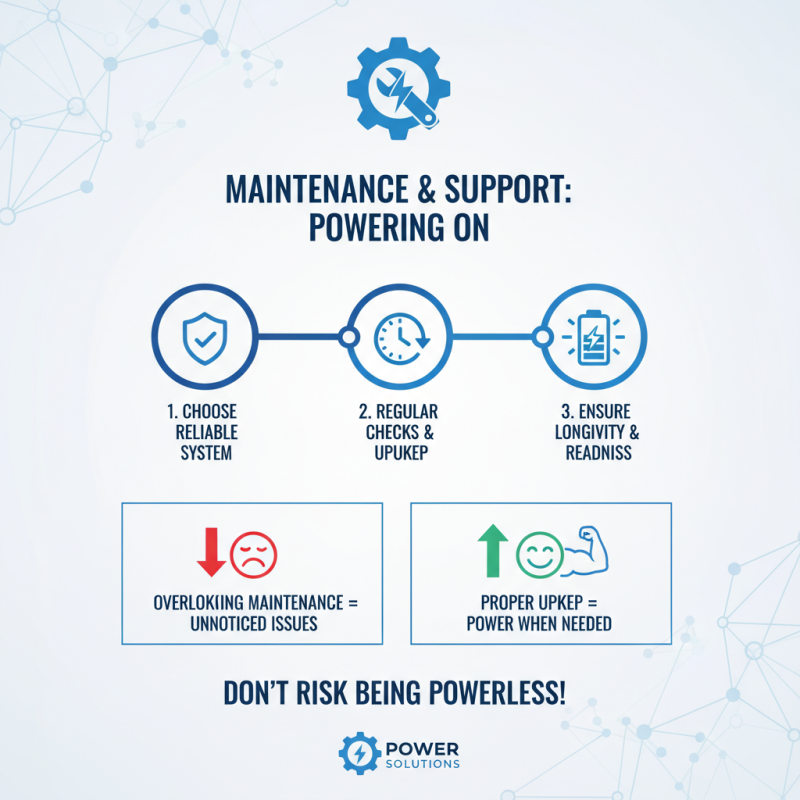
When choosing an emergency power solution, maintenance and support are crucial. Proper upkeep ensures your system functions when you need it most. Many overlook this aspect, assuming all systems are reliable. However, without regular checks, issues can arise unnoticed.
Tips: Create a maintenance schedule. This could include monthly tests and annual professional inspections. Keeping an eye on fuel levels and battery conditions is essential for resilience. Avoid waiting for a problem to prompt an inspection.
Support is another key area. Find a provider that offers reliable customer service. In emergencies, quick responses are vital. Some companies take longer to address issues. This delay can be costly.
Tips: Do research on support response times. Ask for references if necessary. Ideally, you should have a contact who understands your system well. Their insight can save you time and reduce frustration.